Who operates it
University dining teams and contracted foodservice operators manage menus, sourcing, service standards, and the student experience.
Resident dining channel access
ResidentDining.com helps startup and emerging food brands understand—and prepare for—the university-operated and contracted dining programs that serve students every day.

Where brands can show up
Featured brand
Premium Medjool dates grown in Coachella, California, now featured across ResidentDining.com. Retailers and distributors can request wholesale information.


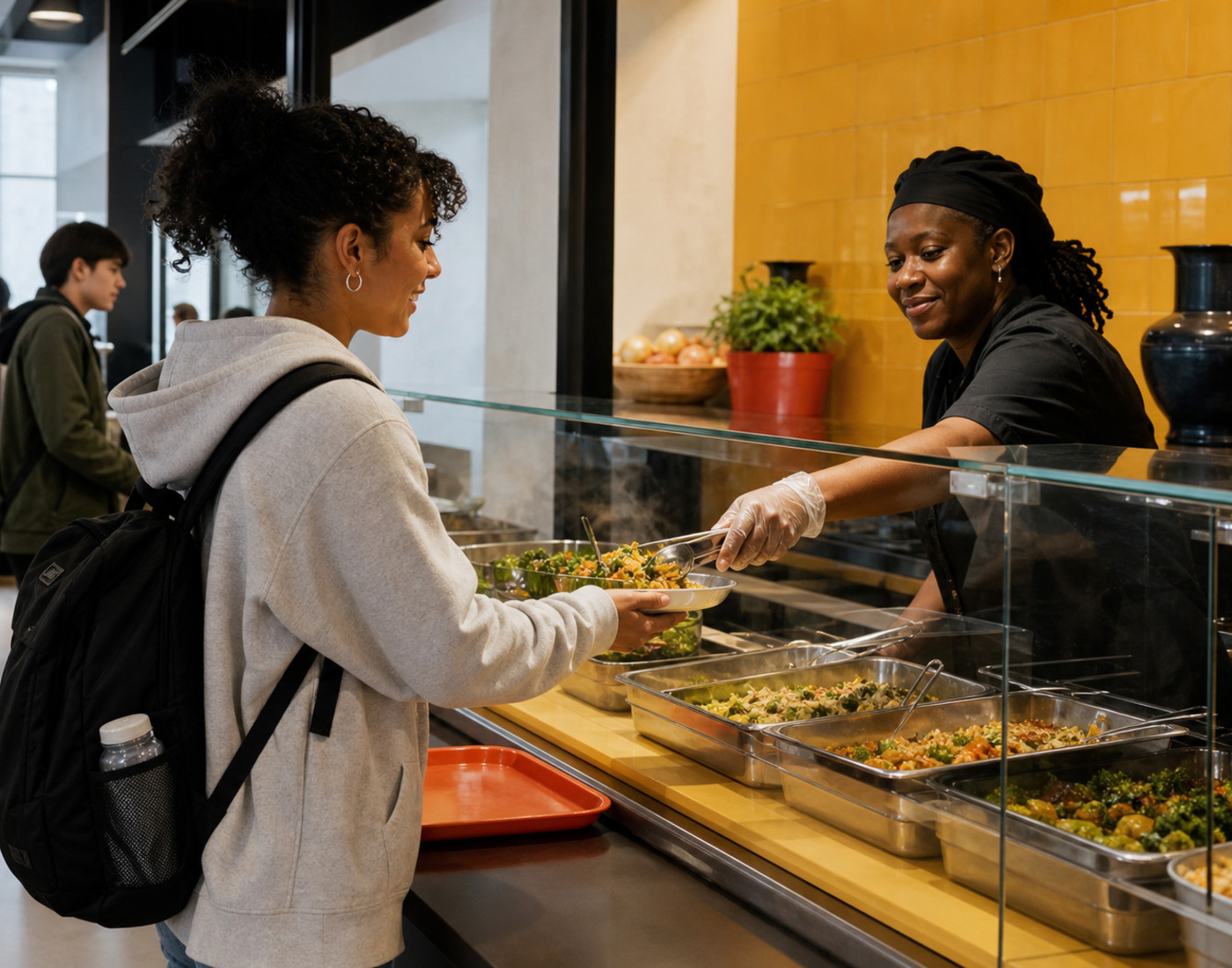
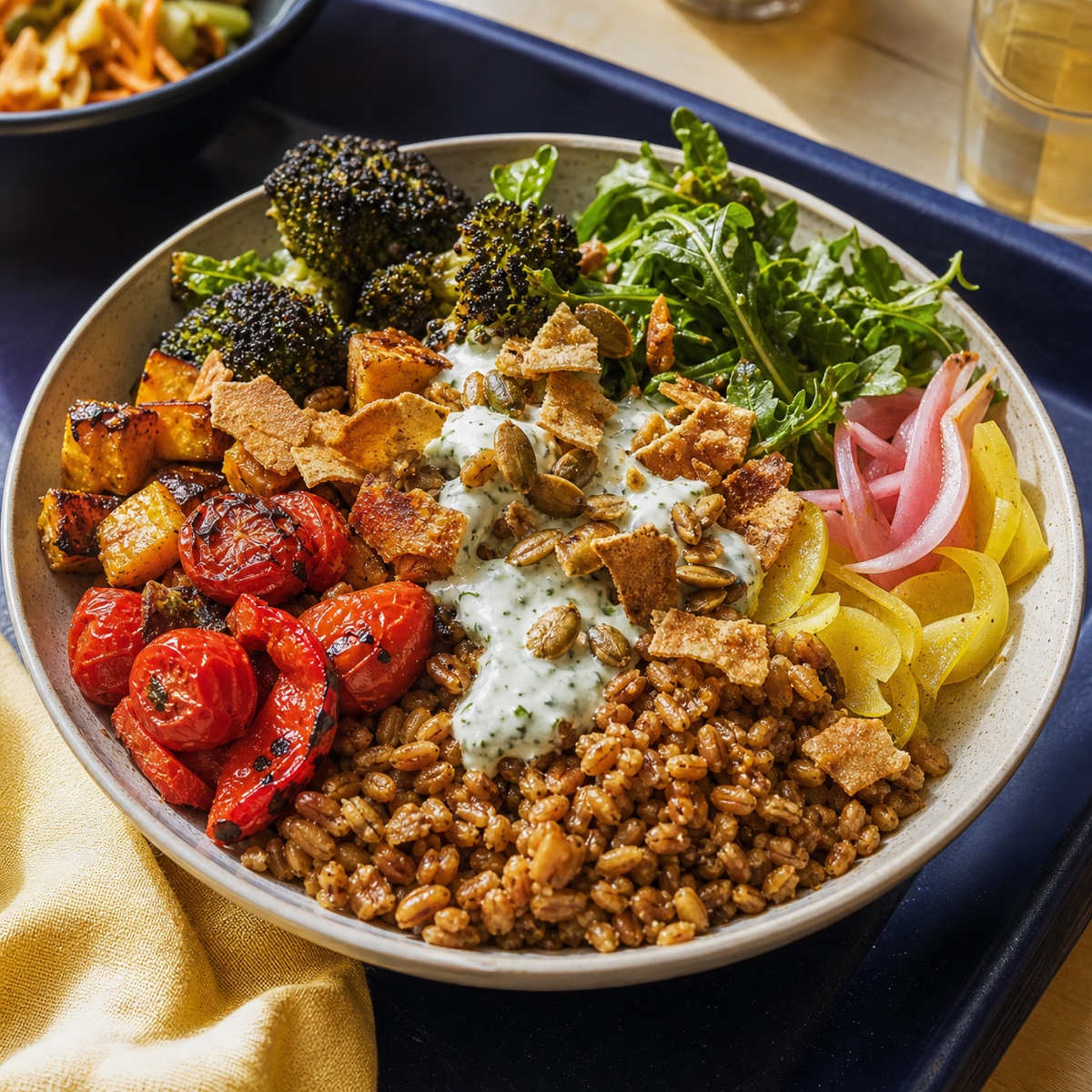
Field note 01 Daily service.
Real operations.
What resident dining is
Resident dining includes university-operated and contracted dining programs connected to campus housing and meal plans. It is its own foodservice channel, with different buyers, service formats, menu cycles, and operating requirements than traditional retail.
See how brands can enterUniversity dining teams and contracted foodservice operators manage menus, sourcing, service standards, and the student experience.
Residence-hall dining, meal-plan cafés, campus markets, grab-and-go venues, and structured sampling programs.
A clear product story plus practical information about format, nutrition, allergens, supply, preparation, and operational fit.
Five ways in
Resident dining is not one placement. The right route depends on the product, the operator, and how the brand fits the campus experience.
Place a finished product on a standing residential menu when format, supply, and service requirements align.
Use an ingredient or finished product inside a dining-services recipe, station, or prepared offering.
Create structured product trial in a dining hall or meal-plan venue and gather useful response.
Explore cafés, grab-and-go outlets, and campus markets that accept student dining dollars.
Build familiarity through sustained, well-supported presence across an academic term or year.
A practical process
A campus-ready plan starts with operational clarity, tests the fit through a defined pilot, and grows only when the evidence supports it.
Clarify the product, format, audience, nutrition and allergen posture, supply, and target campuses.
Identify the dining programs and decision-makers that fit the product and proposed use case.
Test through sampling, product integration, or a short-cycle placement with a defined learning goal.
Use pilot evidence to refine the offer and consider additional venues, residence halls, or campuses.
Review performance and operating fit before planning the next menu cycle or academic year.
One good pilot should produce a clearer next decision.
Built for campus reality
Dining teams need enough detail to understand how a product can work in a real operation. A useful first conversation covers:
Start with the brief
Tell us what the product is, how it is served, where it is available, and which campus programs you want to understand.
Start the conversation